

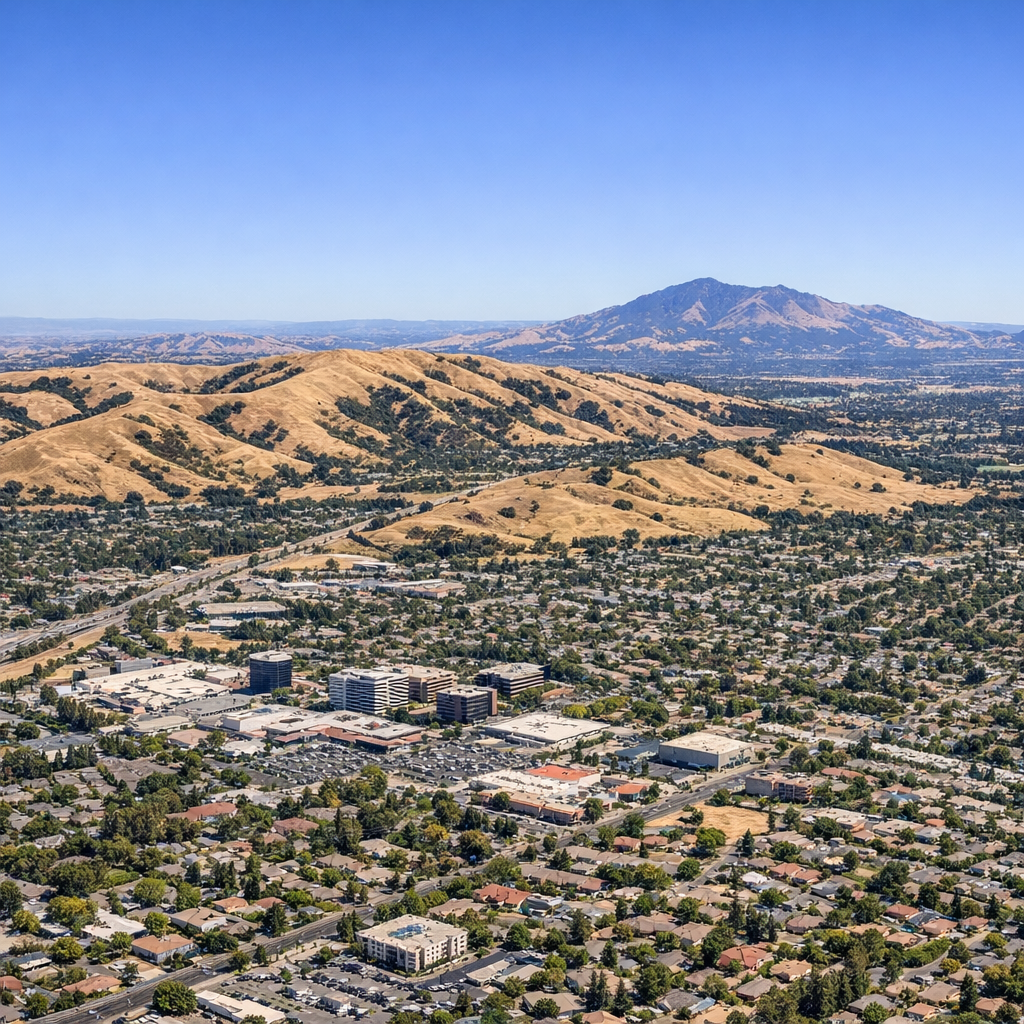
Concord’s Climate At A Glance
Concord, California, sits in the East Bay under a warm-summer Mediterranean climate. Summers are hot and dry, typically ranging into the upper 80s (°F), while winters are cool and wet, with daytime highs in the upper 50s and lows in the low 40s. Precipitation is heavily concentrated in the November through March period, with summers being largely rainfall-free. Frost and snow are virtually nonexistent. Climate trends indicate average annual temperatures have risen meaningfully over the long term. (Climate normals over decades also show Concord warming by about 1.4 °C since mid-20th century.)
Seasonal Shifts & What They Mean Locally
Wet Winters, Dry Summers
Most of Concord’s precipitation falls in winter. December and January are generally the wettest months, while summer months like July through September are nearly dry. Such a swing defines not just our landscaping calendar but impacts water supplies, fire risk, and even infrastructure readiness for urban runoff.
Increasing Heat, Altered Extremes
Trends show more frequent days with temperatures above 90 °F, especially in summer afternoons. Mild winters are reducing the number of cold or freezing nights. For instance, extreme heat days and late-season warm spells are becoming more common. These shifts stress sensitive populations like the elderly, outdoor workers, and children.
Air Quality & Environmental Health
Air pollution, especially ozone in summer and fine particulates (PM₂.₅) in winter, remains a concern across Contra Costa County. In Concord and nearby East Bay neighborhoods, local industrial emissions, vehicle traffic, and geography contribute to uneven exposure. Weather patterns like stagnant high-pressure systems or temperature inversions can trap pollutants close to the ground, heightening health risks.
Community Impacts & Adaptation
Water, Wildfires, and Urban Vegetation
With dry summers stretching longer, vegetation becomes tinder-dry heading into fall. This exacerbates fire risk, especially in zones with a lot of brush and limited humidity. Meanwhile, winter storms—sometimes tied to atmospheric river events—deliver bursts of heavy rain that challenge drainage systems and raise erosion risks.
Public Health & Equity</
Communities with older housing, fewer trees, and less access to cooling are more vulnerable during heat waves. Smoke from distant wildfires also worsens air quality across the region. Efforts to expand local air monitoring in under-served neighborhoods have revealed significant disparities—meaning mitigation, planning, and public awareness are crucial to reduce harms.
Practical Tips for Residents
- In summer, plan outdoor activity early or late in the day, stay hydrated, and seek shade or cooling centers.
- During wet months, ensure gutters, drains, and landscaping are maintained to handle heavy rainfall.
- If you or neighbors suffer from asthma or lung conditions, monitor air quality forecasts—especially in summer ozone or during wildfire smoke events.
- Planting drought-adapted, native species and increasing tree cover help cool neighborhoods and reduce both heat and pollution exposure.
- Support and engage with local environmental planning efforts, especially those aimed at improving resilient infrastructure and equitable resource access.
Weather and environmental trends in Concord may feel gradual, but their impacts are real—and growing. Understanding what’s driving these shifts, and adapting where we can, helps build a healthier, more resilient community.