

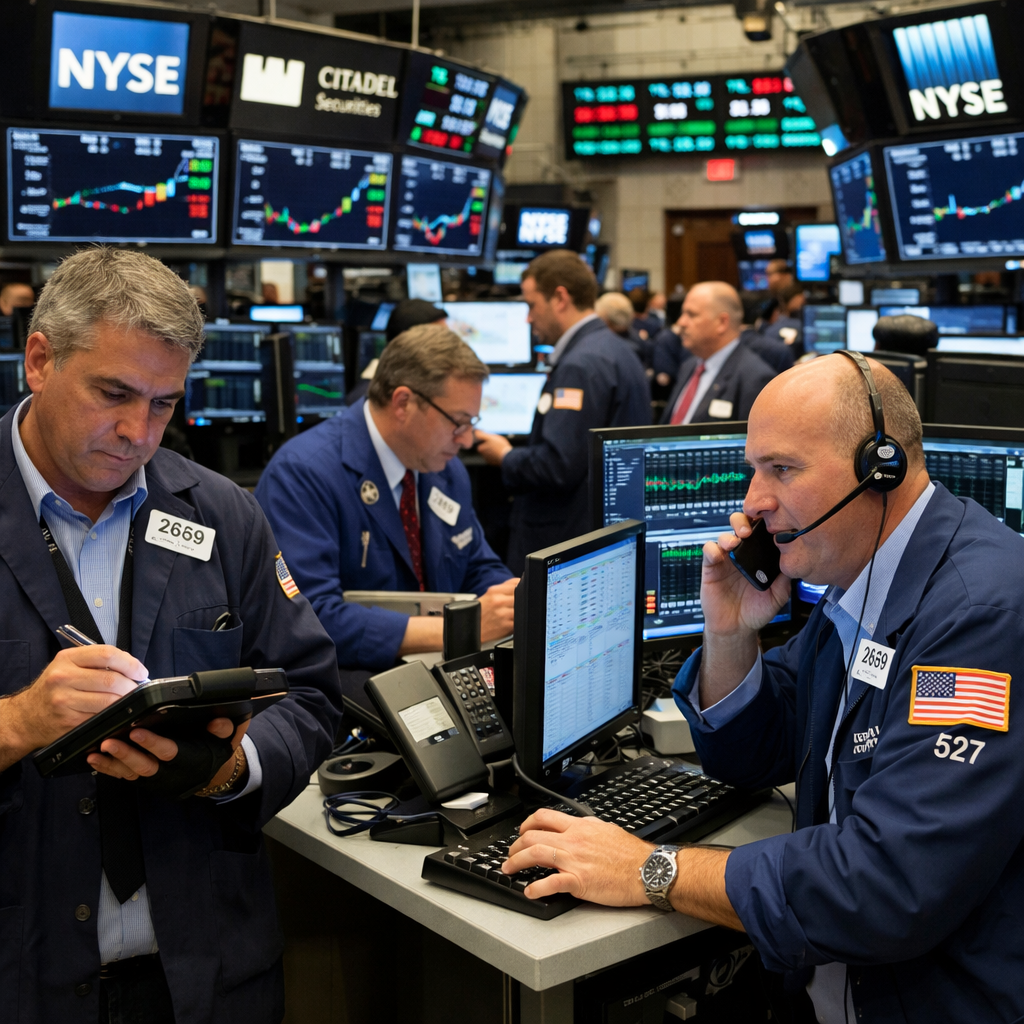
The U.S. economy is currently experiencing a period of steady growth, though certain challenges persist. Recent data indicates that while the economy is expanding, the pace has been slower than anticipated in recent quarters. The labor market continues to add jobs; however, there is a noticeable increase in long-term unemployment. Inflation rates have decreased from previous peaks but remain a concern for policymakers.
Economic Growth and Employment
After a contraction in the first quarter of 2025, the economy has shown signs of recovery. Despite this, growth in the last two quarters has not met expectations. The labor market reflects this trend, with job creation ongoing but at a moderated pace. Notably, long-term unemployment figures are rising, indicating that some workers are facing prolonged periods without employment.
Inflation and Federal Reserve Policies
Inflation has receded from its highest levels but continues to be a focal point for economic policy. The Federal Reserve monitors various indicators, including inflation rates and stock market performance, to inform decisions on interest rates. The current stance suggests a cautious approach, aiming to balance economic growth with inflation control.
Trade Policies and Market Reactions
Trade policies remain a significant factor influencing the economic outlook. The administration’s proposed tariffs, set to take effect in July 2026, have introduced uncertainty into financial markets. While the full impact of these tariffs is yet to be realized, they have contributed to market volatility and raised concerns about potential economic downturns.
Looking Ahead
As the U.S. navigates these economic dynamics, it is crucial for policymakers and stakeholders to remain vigilant. Monitoring key indicators and adapting to evolving circumstances will be essential in sustaining economic stability and addressing emerging challenges.